

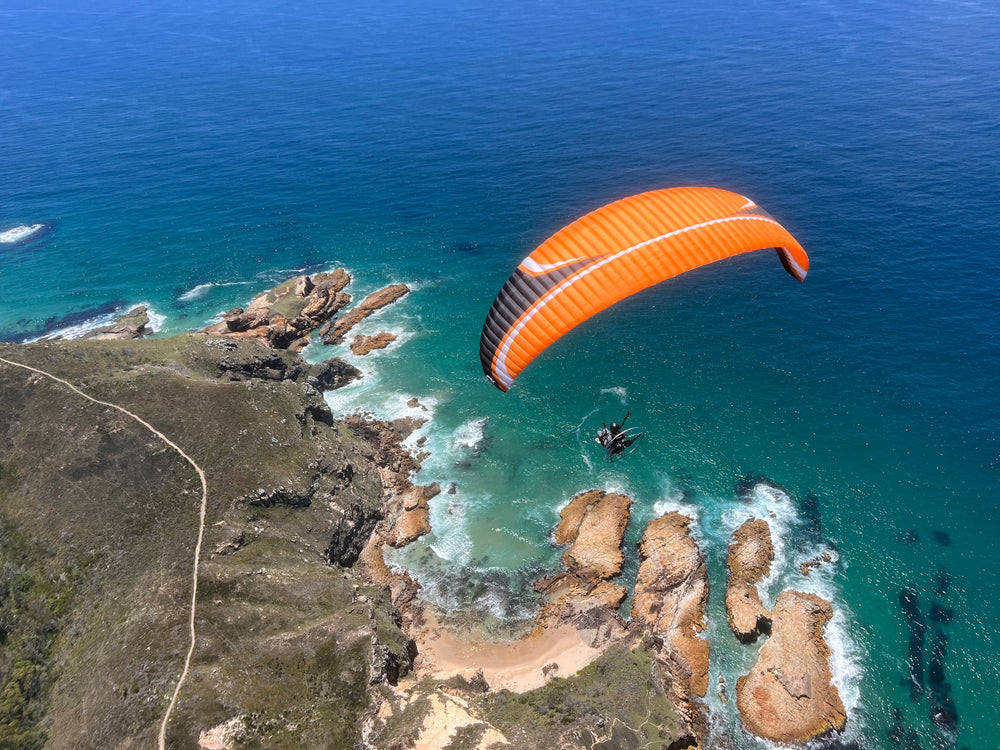
You're A Newly Qualified Paragliding Pilot... What’s Next?

Completing a beginner paragliding course like High Adventure’s 9-Day Learn to Paraglide course is a huge milestone. You’ve taken your first steps into free flight, built solid foundations, and proven you can fly safely under instruction.
But completing the course isn’t the end of the journey - it’s the beginning.
Now that you’re a newly qualified PG2 pilot, the focus shifts to gaining experience, refining your skills, and progressing safely as a pilot. Here’s what you should focus on next.
1. Apply for Your SAFA Membership
If you want to paraglide in Australia, you must be a member of the Sports Aviation Federation of Australia (SAFA).
SAFA is the body responsible for administering paragliding in Australia. This means SAFA membership is required in order to legally fly a paraglider, and it’s also how your licence level, skills, and experience are formally recognised.
For new pilots, SAFA membership provides:
- Certification and recognition of your PG2 rating
- Essential insurance coverage
- Official recording of your skills, training, and qualifications
- Support for clubs and flying sites around Australia
- Advocacy for pilots and the sport at a national and international level
- Investigation of incidents and accidents when required
Once your instructor has signed you off as a PG2 pilot, applying for SAFA membership is the most important next step - without it, you cannot legally paraglide in Australia. You can apply for your SAFA membership here.
2. Purchase the Right Gear (With Guidance)
At this stage, many new pilots are eager to buy their own equipment - and that’s great - but choosing the right gear matters.
You’ll need:
- Wing
- Harness
- Reserve parachute
- Helmet
- Radio
This is where experience really counts. High Adventure can provide guidance, and it’s strongly recommended you speak with your course instructor before buying anything. They understand:
- Your flying ability
- Your learning speed
- Your weight range and wing loading
- Your future goals (soaring, XC, coastal, inland, travel, etc.)
The right beginner gear will help you fly and progress safely - the wrong gear can slow your development or increase risk.
High Adventure students receive a $400 discount on the purchase of a new paragliding gear set (wing, harness and reserve). If you’d like advice, recommendations, or pricing, just reach out - we’re always happy to help.
3. Join a Local Paragliding Club
Joining your local paragliding club is one of the best things you can do early on.
Clubs provide:
- Local site knowledge
- Weather briefings and guidance
- Mentors and experienced pilots
- A flying community to learn from
They’re also where you’ll find supervised flying opportunities, which are essential at the PG2 level.
Our instructors at High Adventure can connect you to your local club after your course.
4. Fly Under Supervision
While holding a PG2 licence, SAFA requires you to fly under supervision.
Supervised flying:
- Builds safe habits early
- Helps you learn correct site assessment
- Provides feedback and decision-making guidance
- Increases confidence in a controlled way
This supervision may come from instructors, endorsed supervisors, tours or club days.
5. Gain as Much Experience as Possible
Progress in paragliding comes from regular, consistent flying, not occasional big days.
As a new PG2 pilot, it’s essential to fly only within your current skill level and in conditions you are capable of managing safely. Trying advanced manoeuvres or pushing beyond your experience too early can be dangerous.
Some key tips for building experience safely:
- Focus on smooth, controlled launches and landings
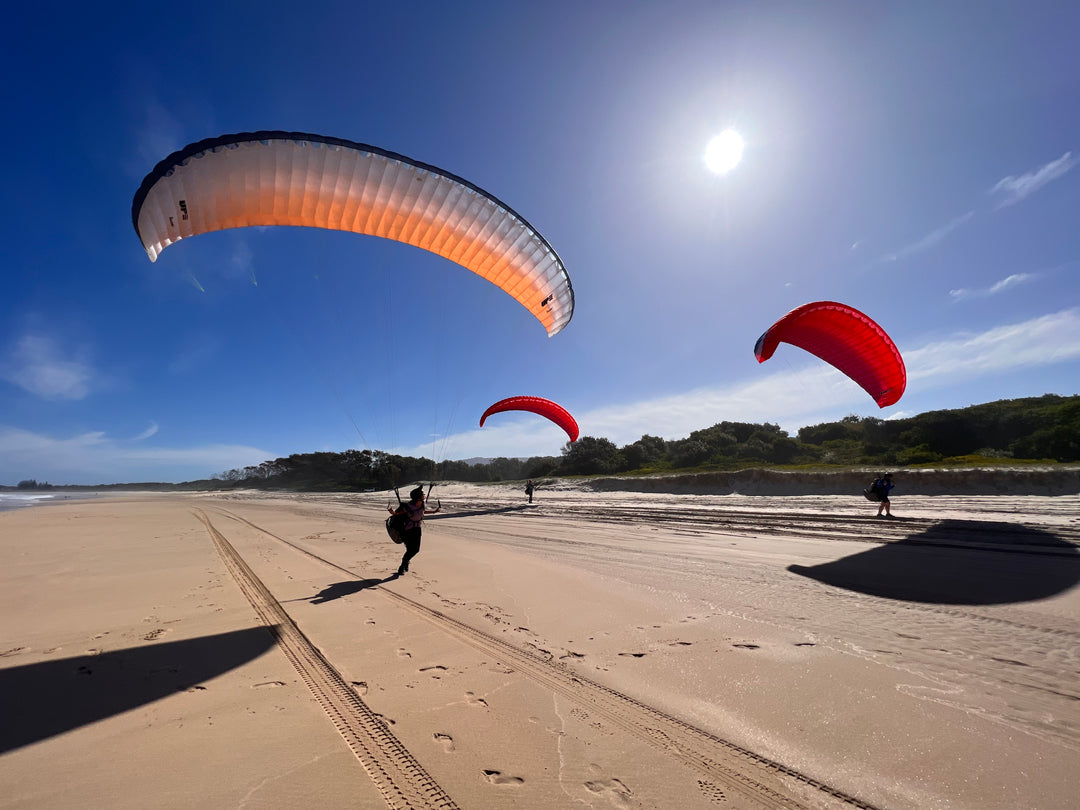
- Practice ground handling regularly
- Log every flight and reflect on what you learned
- Gradually expand your skills and confidence as your experience grows
Ground handling, in particular, is something many pilots underestimate - but strong ground handling skills lead to better launches, improved decision making, and more confidence overall.
Consistency, reflection, and safe progression are the most effective ways to continue to develop as a competent and confident pilot.
6. Do a Refresher Day
Even after completing your course, it’s normal to feel a little rusty or want to refine certain skills. High Adventure offers Refresher Days, which are ideal for pilots who haven’t flown for a while or who want to brush up on specific skills and techniques.
During a Refresher Day, you can:
- Revisit launch techniques
- Refine landing accuracy
- Hone your ground handling skills
- Correct bad habits before they become big ones
- Revisit weather and site assessment
- Receive guidance to fly safely and confidently
Refresher Days are a fantastic way to maintain and improve your skills while building confidence for your next flights. Many pilots are surprised how much they improve in a single guided day.
As a bonus, all High Adventure students receive one free Refresher Day within 12 months of course completion.
7. Join a Paragliding Tour
One of the most enjoyable and effective ways to gain experience and develop skills is by joining a paragliding tour.
High Adventure’s annual Bali paragliding tours offer:
- Supervised flying hours
- Guidance on advanced skills
- Daily briefings and debriefs
- Consistent flying conditions
- A supportive learning environment
Tours are ideal for building hours, skills and confidence - all while having an incredible flying experience.
8. Progress Toward PG3 and Beyond
As you accumulate hours, experience, and skills, you’ll naturally move toward PG3 and higher ratings.
Progression typically involves:
- Demonstrating consistent, safe launches and landings
- Strong decision-making and site assessment
- Sufficient number of flights, airtime and experience in a variety of conditions
- Additional training, exams and sign-offs
Your instructors and mentors can help guide you through each step, ensuring you progress safely and confidently.
Additional training opportunities include:
- VHF Radio Endorsement
- Tow Endorsement
- Speed / Mini Wing Endorsement
- Paragliding to Paramotoring Endorsement
High Adventure offers free guidance on progression for all pilots who complete our beginner paragliding course. Learn more about advancing through the SAFA licencing levels here.
The Big Picture
Paragliding is not a race - it’s a journey.
The pilots who continue to grow into highly skilled and versatile flyers are the ones who:
- Fly consistently and safely within their skill level
- Practice ground handling regularly
- Seek guidance and mentorship from instructors and experienced pilots
- Take advantage of opportunities to refine skills and gain supervised flying experience
- Log flights and reflect on experiences to build knowledge
- Gradually expand skills while maintaining safe progression
- Stay humble, seek feedback, and keep learning
At High Adventure, we don’t just train pilots - we help build lifelong aviators. If you ever need guidance on gear, refresher training, tours, or next steps, we’re always here to help.
Welcome to the next chapter of your paragliding adventure!


Leave a comment